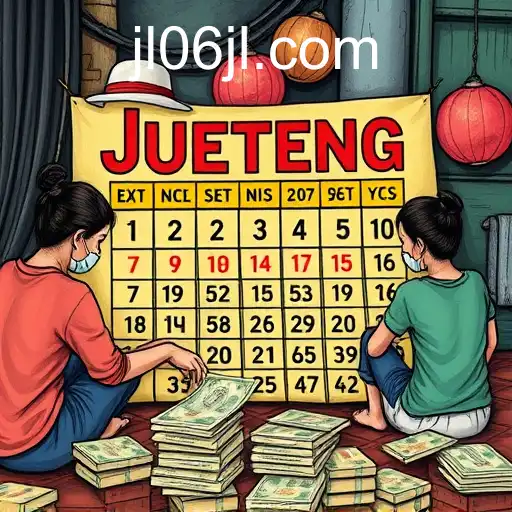
Understanding Jueteng: The Ubiquitous Numbers Game
Jueteng is an illegal numbers game that is deeply ingrained in Filipino culture. Often compared to a localized version of the lottery, jueteng flourishes in various regions of the Philippines, despite continuous efforts by authorities to curb its operations. Initially introduced during the Spanish colonial period, this centuries-old gambling activity has evolved into a complex social and political phenomenon that reflects the intersection between poverty, corruption, and tradition in the Philippines.
The Mechanics of Jueteng
Jueteng is deceptively simple in its mechanics. It involves participants betting on numbers, which typically range between 1 and 37. Bets are placed with an intermediary known as a cabo, who collects the wagers on behalf of a kubrador—a person who works directly for the operators. The winning numbers are drawn twice daily, with winnings distributed based on the amount bet and the odds set by the operators. Unlike official lotteries, jueteng does not have a transparent drawing process, which adds an element of unpredictability and allure to the game.
The Economic Dimensions of Jueteng
Jueteng operations thrive, in part, due to the financial needs of its participants and its ability to provide livelihoods for those involved in its operation. For many Filipinos, especially those in impoverished communities, playing jueteng represents a small hope for a better future. With meager earnings and limited access to financial security, the appeal of a game that promises to multiply one’s money is hard to resist.
The structure of jueteng also provides employment and side incomes for local residents. Cabos and kubradors can earn commissions on the bets they handle, making the game an attractive income opportunity. Moreover, the operators behind jueteng often wield significant economic power, sometimes gaining enough influence to impact local markets and economies.
Jueteng and Politics
jili20In a country where politics is intertwined with various facets of society, jueteng is no exception. Corruption allegations against politicians, involving complicity or protection for jueteng lords, are not uncommon. The game has been linked to political funding, with some reports suggesting that proceeds are used to finance electoral campaigns or secure political alliances. This entanglement with politics complicates efforts to eradicate or regulate jueteng.
jl06Efforts to curb jueteng often clash with local political interests. Measures proposed by national or regional authorities can be undermined by local officials who either benefit financially from the game or fear alienating constituents who rely on it economically. The clandestine yet public nature of jueteng operations makes it challenging to enforce laws effectively, creating a cyclical struggle for reform-minded leaders.
jl06Social and Cultural Implications
Beyond economic and political realms, jueteng holds significant cultural implications. With its origins tracing back to the Spanish colonial era, jueteng has been passed down through generations, becoming embedded in the social fabric of many communities. It is often seen less as a gamble and more as a cultural tradition — a game of chance that is inherently local and familiar.jl06
The social networks and interactions fostered through jueteng play a role in preserving its prevalence. Communities gather around common betting numbers, turning the activity into a communal event rather than an individual pursuit. This sense of belonging reinforces participation and complicates the narrative of jueteng being merely a criminal vice.
Efforts to Combat Jueteng
jl06Numerous administrations have attempted to tackle jueteng through law enforcement, legislation, and alternative solutions such as the legal lottery system. However, these efforts often fall short due to the deeply-rooted nature of the game and the socio-economic realities it exploits.
The Philippine Charity Sweepstakes Office (PCSO) has historically acted as the government’s tool to siphon jueteng participants towards legitimate gaming opportunities. However, disparities in odds, payout rates, and accessibility between jueteng and sanctioned counterparts have limited its effectiveness. Additionally, where official lotteries exist, they sometimes suffer from perceptions of corruption and mismanagement, sowing distrust among potential players.
Conclusion
Jueteng operates in the liminal space between legality and tradition, crime and culture. It challenges the Philippines to consider the broader implications of poverty, governance, and cultural preservation. As a country that continues to grapple with these themes, understanding jueteng in depth forms an essential part of addressing the wider dynamics at play. Whether through reform, law enforcement, or education, the conversation surrounding jueteng persists as a vital dialogue for the nation's future. While it may seem elusive, the quest for solutions offers an opportunity to reform and reimagine the links between citizens, culture, and government.